
Always better to talk and discuss issues openly and in balance.
Hope big three will meet and continue together Drill Baby, Drill !
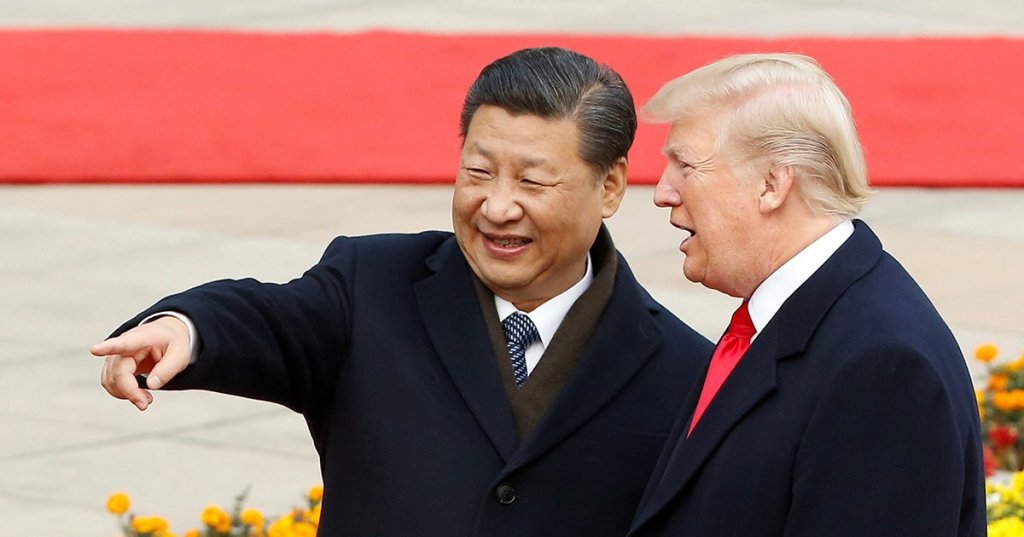
“Earlier today, President Donald Trump called Chinese President Xi Jinping directly for the second time this year. To break down what goes into a presidential call, I sat down with Rush Doshi, senior fellow for Asia studies and director of the China Strategy Initiative, for a wide-ranging discussion. FROMAN: Rush, you and I have both prepared leaders for leader-to-leader conversations in our glory days at the White House. I was involved in a number of bilateral meetings, a couple of state visits, and, of course, the Sunnylands retreat. There were lots of calls back then in between. How does a call with the People’s Republic of China come together? DOSHI: I had the privilege of preparing several of President Biden’s calls with President Xi—as well as his in-person leader summits in Bali and in San Francisco. The calls may be less involved than the meetings, but they are still major events, especially now. Bilateral diplomacy with China, given the increasingly complicated relationship with Beijing, sometimes has the feel of Cold War summitry to it. The conversations have a weight to them. There are some unique quirks. Even agreeing to a call is often more complicated than it should be because Beijing rarely requests a call and always prefers that Washington make the ask—even when they, in fact, want the call. Sometimes, Beijing will hold out on a call for months, suggesting the “atmosphere” is not right unless Washington makes certain concessions, which the U.S. is rightly reluctant to do. Once both sides agree to the call, there is the usual negotiation about when the call will occur and what it will discuss. The staff-level talks are sometimes directly with Beijing, so given the time difference, they can occur punishingly early or late in the night and stretch on for hours. Other times, messages are passed through the embassies. A call can be scheduled quickly when it is urgent. In that case, all the preparation between the two sides happens on exceedingly compressed timelines. Other times, the process can take weeks—if not months. FROMAN: Every president and White House has their own style and their own way of preparing for such calls. President Trump is said to be comfortable relying on instinct. But traditionally, what preparation did you do internally to prepare for the call? DOSHI: It is a powerful and humbling experience to take the pen on talking points for an engagement between the U.S. and Chinese president. This is no ordinary interaction, and you can feel the weight of it as you get started. Of course, you solicit input from the president and national security adviser, or hold interagency meetings to discuss the approach or align on deliverables, too. But then you have to put the words on the page. To get in the right headspace, I found it helpful to start by reading the transcripts or records we had of prior leader-level engagements with President Xi, even going back into prior administrations or to then-Vice President Biden’s meetings. It would also prepare you for what they might say. And I found it was a rich source to find personal touches—a recollection of a past interaction, point of agreement, or insightful comment—that the president could call upon in the moment. He understood the value of personal touches. FROMAN: What are the key issues you think were discussed in today’s call? DOSHI: As expected, this call focused on major economic and technology issues, and some geopolitical ones, too. From the official readouts—President Trump’s Truth Social post, the Chinese readout—the two sides discussed trade, fentanyl, the war in Ukraine, the TikTok deal, and a future high-level meeting at APEC in October and a possible in-person meeting in China next year. Notably, given all the attention on exports of AI chips to China, neither side mentioned this issue in the readout, though the Chinese side—with no sense of irony—encouraged the U.S. not to impose unilateral trade-restrictive measures. Aside from the agreement to meet, and signs of a possible TikTok deal, we didn’t see concessions from President Trump on issues like tariffs, U.S. export controls, or other issues. There are no signs Taiwan was discussed, at least according to the official readouts. FROMAN: Who are the key players likely advising President Xi in advance of the call? What about on the U.S. side? DOSHI: Readouts of phone calls don’t usually say who was in the room, though of course we know the manifest for in-person meetings. So based on who President Xi had in meetings with President Biden, it seems reasonable to assume Foreign Minister Wang Yi was there, led preparations for the call, and provided counsel to President Xi during it. Key Chinese negotiators—Vice Premier He Lifeng and trade negotiator Li Chenggang—were almost certainly there. And other close confidants from the Standing Committee, like Cai Qi, Wang Huning, or Ding Xuexiang, could have joined too. Cai Qi was with President Xi during the small in-person lunch t…”
Source: Trump, Xi, and the Making of a Presidential Phone Call

 Philosophyofgoodnews